
Thailand is becoming a more serious long-stay option for Middle East residents because it is easy to reach, flexible enough to use as a second base, and increasingly suited to repeat stays. Thailand Privilege Card becomes relevant once you want a smoother long-term structure instead of repeated short-stay planning.
Thailand Is No Longer Just a Holiday Destination
Thailand is no longer just a good holiday destination for people based in the Middle East. It is becoming a serious long-stay option for those who want a place that is easy to reach, comfortable to live in, and flexible enough to use as part of real life.
That shift matters because the real test of a destination is not whether you enjoy it for a week. It is whether it still works once you return often, stay longer, bring family, and expect daily life to feel smooth. That is where Thailand has become more relevant.
What Has Changed
Thailand has always been appealing. What has changed is how more people are using it and how Thailand is positioning itself.
Thailand is being viewed less as a short-stay escape and more as a place that can support repeat use, longer stays, and a broader lifestyle. At the same time, the country is leaning more clearly into quality, comfort, long-stay value, and a more refined visitor experience rather than only mass tourism. That matters if you are not simply looking for somewhere pleasant to visit, but somewhere practical enough to keep using over time.
Just as important, long-stay planning in Thailand now feels more structured. Instead of relying only on short-term entries or patchwork arrangements, there are clearer pathways for people who want continuity, convenience, and a more predictable long-stay setup. That is one of the reasons Thailand is moving into a more serious category for Middle East residents who already have options.
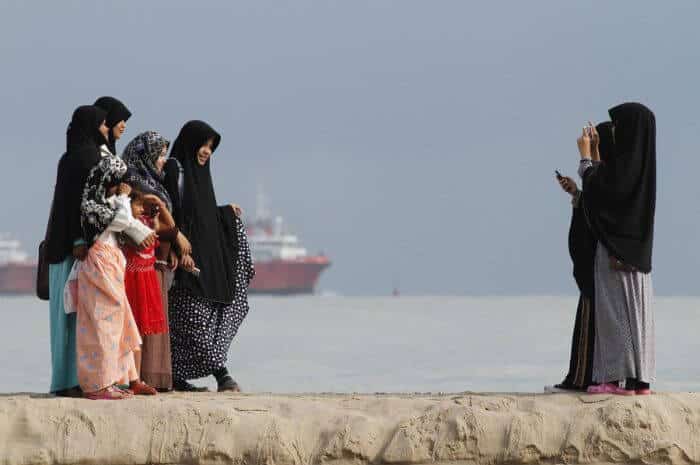
Why Thailand Is Getting More Attention From Middle East Residents
If you are based in the Middle East, Thailand has one major advantage from the start. It is accessible. It is far enough away to feel like a real change of environment, but close enough to use regularly without turning every trip into a major exercise.
That makes a difference. A destination only becomes a realistic long-stay option when it is easy enough to return to again and again.
Thailand also offers something many destinations struggle to combine in one place: city convenience, resort living, private healthcare, lifestyle flexibility, and strong service culture. You can use Bangkok differently from Phuket. You can use Thailand differently depending on the time of year, who is travelling with you, and how long you plan to stay. That flexibility makes the country more practical than many people first expect.
Why Thailand Works for Longer Stays
A lot of destinations are enjoyable in short bursts. Fewer hold up well once you start using them as part of your lifestyle.
Thailand works better over longer periods because it gives you options without forcing one model of living. You can use it as a second base, a seasonal base, a family base, or simply a place to spend meaningful parts of the year. You do not need to commit to a full relocation to make Thailand useful.
That is a big part of the appeal. You may want a place for school breaks, family time, regional travel, or longer personal stays. You may want somewhere that feels refined enough to return to often, but flexible enough not to dictate how you live. Thailand fits that kind of pattern well.
Bangkok or Phuket? Choose Based on Use
Bangkok and Phuket both support the long-stay case, but they do it differently.
Bangkok usually makes more sense if you want:
- stronger international connectivity
- city energy and convenience
- private hospitals and premium residences
- easier access to shopping, dining, and business infrastructure
Phuket usually makes more sense if you want:
- more privacy
- a coastal setting
- villa-style living
- longer stays that feel calmer and more removed from city pace
The key point is that Thailand gives you both. You are not locked into one lifestyle. You can use Bangkok for shorter, more connected stays and Phuket for longer, more private ones. That kind of versatility strengthens Thailand’s value as a long-stay option.
The Real Tension: Visiting Thailand Is Easy, Staying Well Is Harder
Visiting Thailand is easy. Staying well over time is harder.
Once you start returning often or spending longer periods there, short-term solutions can begin to feel inefficient. Repeated planning, uncertain timing, and unnecessary admin slowly take away from what made the destination appealing in the first place.
That is often the turning point. You stop thinking only about where you want to go and start thinking about how you want to structure your time there.
When the Thailand Privilege Card Starts to Make Sense
Thailand Privilege Card becomes more relevant once Thailand shifts from occasional destination to regular part of your life. The program currently offers five tiers: Bronze, Gold, Platinum, Diamond, and Reserve. The package list Bronze at THB 650,000 for 5 years, Gold at THB 900,000 for 5 years, Platinum at THB 1,500,000 for 10 years, Diamond at THB 2,500,000 for 15 years, and Reserve at THB 5,000,000 for 20 years.
At that point, the issue is no longer whether you enjoy Thailand. It is whether you want a more structured way to keep using it. That is where the card becomes practical. It is not only about visa validity. It is about reducing friction over time through a more stable long-stay framework and support that makes repeat use easier. Thailand Privilege’s own material highlights benefits such as airport assistance, flexible long-term validity, and support with practical matters like bank account opening and Thai driver’s licence support, depending on the tier.
The Right Way to Think About It
The Thailand Privilege Card does not need to make sense for everyone.
If you visit Thailand once in a while for a short holiday, you may not need it.
But if Thailand is becoming part of your annual routine, your family plans, or your broader lifestyle, the calculation changes. At that point, you are not simply looking at a visa product. You are looking at whether a smoother structure would make a destination you already value easier to keep using.
That is a more useful way to think about it. Not as something to oversell. Not as a status purchase. As a practical solution for people who want Thailand to function well over time.
Final Thoughts
Thailand is becoming a serious long-stay option for Middle East residents because it now makes sense on more than one level. It is accessible, flexible, comfortable, and easy to use in different ways. Just as importantly, it is being treated more seriously as a repeat-use destination rather than only a holiday market.
That is the real shift.
Thailand is no longer only a place you enjoy briefly. For the right person, it is a place you can build into the way you live. And once that becomes true, the Thailand Privilege Card becomes worth considering as the tool that helps make that long-stay arrangement smoother, more stable, and more practical.
FAQ’s
Why is Thailand becoming more relevant for Middle East residents now?
Because more people are evaluating Thailand as a repeat-use base rather than only a holiday destination. It is easy to reach, flexible to use, and increasingly suited to longer stays.
Is Thailand better as a second base or a full relocation option?
It works best first as a second base. That is part of its appeal. You can use it seasonally, repeatedly, or for longer personal and family stays without committing to one fixed model.
What is the Thailand Privilege Card?
Thailand Privilege Card is a long-stay membership program with five current tiers: Bronze, Gold, Platinum, Diamond, and Reserve. The official site lists validity from 5 to 20 years depending on the package.
What does the Thailand Privilege Card help with?
It helps create a more stable and practical long-stay structure. Depending on the tier, benefits may include smoother arrivals, airport services, and support with practical matters such as reporting and everyday setup.