Why Tourist and DTV Visa Holders Cannot Open a Thai Bank Account in 2026 (And What Long-Term Visa Still Works)
Share:
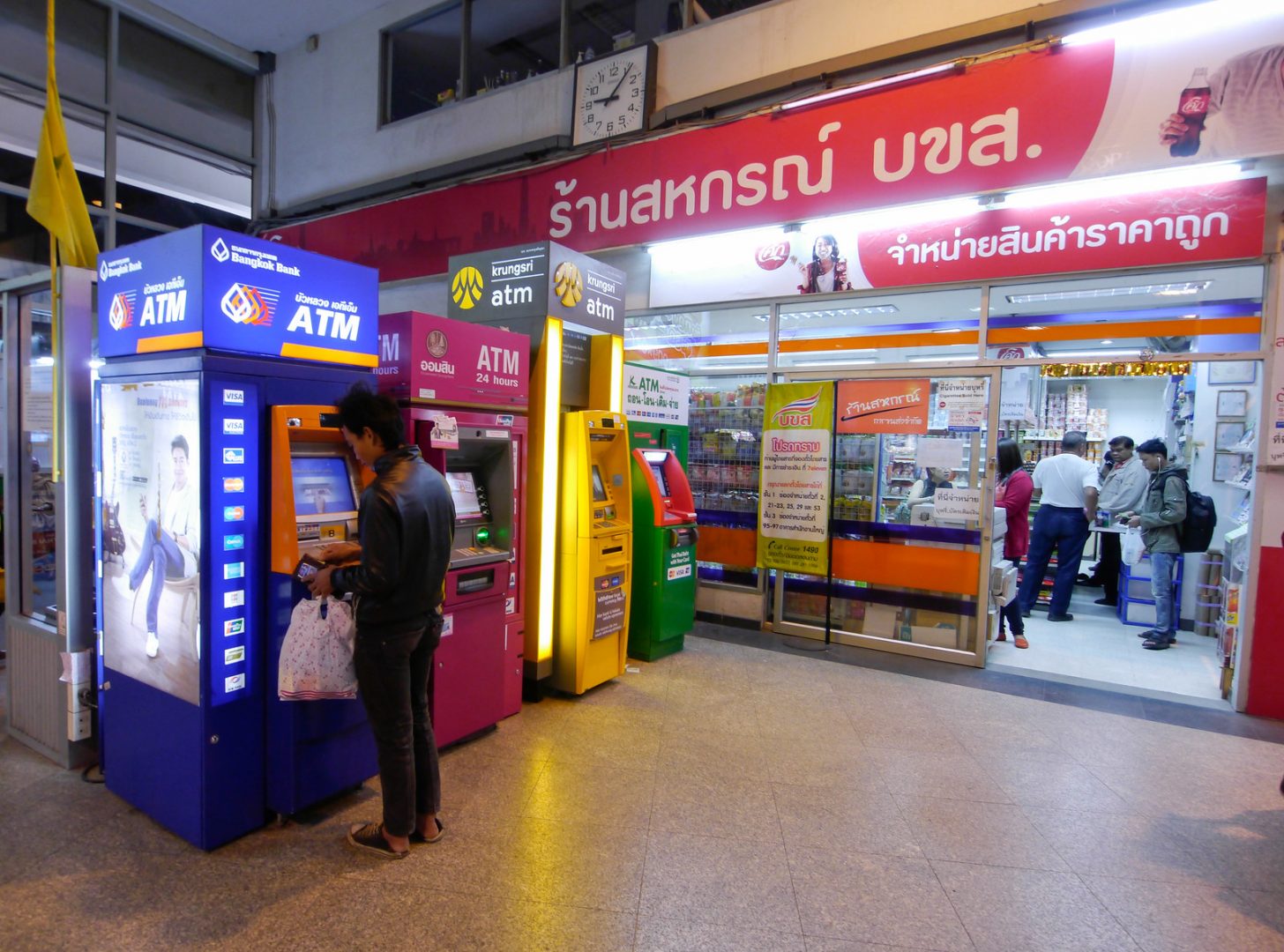
In 2026, Thai banks have sharply tightened account opening for foreigners. Tourist visa holders are broadly refused, DTV holders often face rejection, and applicants with strong proof of residence and a clear source of funds are far more likely to succeed.
The 2026 Reset on Foreign Banking in Thailand
Walking into a Bangkok branch with a passport and a smile used to be enough. In 2026, it is not. The Bank of Thailand (BoT) and the Department of Business Development (DBD) have rolled out the strictest expat account-opening regime the country has ever seen, aimed squarely at dismantling “mule account” rings and the nominee structures that have moved foreign money through Thai shell companies for years.
The result is a tiered system. Workers, retirees, and long-term residents on qualifying visas can still open accounts, though with more paperwork than before. Tourists and Destination Thailand Visa (DTV) holders, on the other hand, have effectively been frozen out.
If you are planning to live in Thailand part-time or full-time, the visa you arrive on now determines whether a Thai bank will even take your application.
What Changed: Compliance Over Deposits
For decades, Thai retail banks competed on deposit volume. That priority has flipped. Branches are now graded on compliance discipline, and managers who approve a questionable foreign account face real consequences. Several converging pressures pushed the system here:
* FATF and AML pressure. Thailand has been working to keep itself clear of international money-laundering watchlists, which means tighter Know-Your-Customer (KYC) standards on every new foreign account.
* The mule-account crackdown. Thai authorities have publicly tied online scam networks, illegal gambling rings, and call-center fraud to accounts opened in foreign names and then handed off to local operators.
* Nominee enforcement. The DBD has stepped up audits of Thai-registered companies with foreign directors, looking for Thai shareholders whose declared income cannot plausibly support their stake.
Together these pressures translate into one rule at the teller window: show that you actually live here, and show where your money came from.
Why Tourist Visas No Longer Work
Tourist Visa (TR) and visa-exempt entries are now essentially off the table for new accounts at every major Thai commercial bank. The reasoning, from the bank’s perspective, is simple. A 30 to 60 day stay does not establish residency, and an account opened on that footing has historically been the most likely to be sold or rented to a third party after the holder leaves.
Even agents and “fixers” who used to arrange tourist-visa accounts at specific branches in Pattaya, Phuket, and Bangkok report that those side doors have closed. Branches that bend the rules now get flagged in internal audits, and the staff involved face disciplinary action.
If you are in Thailand on a tourist visa in 2026, plan on using your home-country bank, an international card, or a multi-currency fintech wallet for the duration of your stay.
Why the DTV Visa Hit a Wall
The Destination Thailand Visa, launched in 2024 as a five-year multi-entry option for remote workers, digital nomads, and so-called “soft power” applicants, was initially welcomed at some banks. That window has closed.
The core problem is structural. The DTV is a long-validity visa, but each permitted stay is capped at 180 days, and holders are not tax residents by default. Banks read the DTV the way they read a long tourist visa: the holder might be in country today, but there is no enforceable tie keeping them here. Add the visa’s lack of a Thai-side sponsor (no employer, no school, no immigration-registered landlord requirement), and compliance teams cannot build the residency file they now need.
Specific reasons DTV applications are being rejected in 2026:
* No “Evidence of Stable Residency.” Banks want a registered long-term lease (typically 12 months minimum, filed with the local district office) or a valid Thai work permit. A short-term Airbnb-style booking will not satisfy this requirement.
* Embassy letters are no longer enough. Many branches used to accept a residence certification letter from the applicant’s embassy. In 2026 most require a second, Thai-side endorsement, such as a letter from a registered employer, a Thai university, or an immigration officer’s confirmation.
* No qualifying tax footprint. Without Thai income or a Thai-issued tax ID tied to local activity, the source-of-funds review becomes much harder to pass.
DTV holders who try anyway are encountering a near-uniform outcome across Bangkok Bank, Kasikornbank, Siam Commercial Bank, Krungthai, and Krungsri: polite refusal at the branch, often without a written reason.
The Other 2026 Hurdles, Even for Eligible Applicants
For foreigners on visa categories that are still considered, the bar has been raised across the board:
* Source-of-wealth audits going back six months. A lump-sum transfer landing in your home account a week before you fly to Bangkok will trigger questions, not approvals. Banks want to see a steady, documented earnings or savings history.
* Biometric face-match against the passport e-chip. Account opening is in-person only. The biometric scan must match the chip data on your passport. Even minor discrepancies, such as significant weight change or facial hair differences, can lock the application until you produce additional ID.
* Mobile number cross-check. The Thai SIM linked to your account must be registered in your name with the telecom provider. Numbers registered in a friend’s or agent’s name are now caught at the verification stage.
* Nominee screening on company accounts. If you are opening a corporate account through a Thai limited company, the DBD will be asked to confirm that your Thai shareholders have declared income consistent with their stated investment. Token shareholders are being filtered out.
* “Recommended” insurance bundles. A widely reported branch-level practice is to pair account approval with a life or health insurance policy from the bank’s affiliate. It is not a formal regulation, but several expats report that declining the bundle results in a quiet rejection.
Which Long-Term Visas Still Give You a Real Path to a Thai Bank Account
In 2026, the visa pathways that banks treat as low-risk and that consistently lead to a successful personal account opening fall into a narrow set:
* Thailand Privilege (Thailand Elite) visa. The government-backed long-stay membership visa, valid 5 to 20 years depending on tier. For applicants who do not qualify for an LTR and are not coming to Thailand to work, this is the most accessible long-term option that banks reliably accept for new account opening.
* LTR (Long-Term Resident) visa. The 10-year visa created in 2022 for wealthy global citizens, retirees with pensions, work-from-Thailand professionals, and high-skilled specialists. Banks treat LTR holders as low-risk by default.
A Tourist Visa, a DTV, a 30-day visa exemption, and an Education Visa (ED) at a non-accredited school will not get you there in 2026, regardless of how much you are willing to deposit.
Why the Thailand Privilege (Elite) Visa Specifically Solves the Banking Problem
For foreigners who are not employed in Thailand, not yet retirement age, and not eligible for an LTR, the Thailand Privilege visa fills a real gap. From a bank compliance officer’s perspective, it answers the three questions every 2026 KYC review is built around:
1. Is the applicant a long-term resident? Yes. The visa is issued for a minimum of five years, with longer tiers up to 20 years, all multi-entry.
2. Has the applicant been vetted by a Thai government body? Yes. Thailand Privilege Card Co., Ltd. is a wholly-owned subsidiary of the Tourism Authority of Thailand (TAT), and every applicant goes through immigration and background screening before the visa is issued.
3. Is there a paper trail justifying the applicant’s presence and funds? Yes. The membership fee is paid through documented international banking channels, which itself becomes part of the source-of-funds story.
In practice, branches that have stopped accepting DTV and tourist applications continue to process Thailand Privilege members, often with a streamlined onboarding path arranged through the program’s member services team.
What to Do Before You Apply for Any Account in 2026
The file you bring to the branch matters as much as the visa stamp. A few practical points:
* Bring a registered 12-month lease, not a hotel booking.
* Carry 6 months of home-country bank statements, plus tax filings if you have them.
* Make sure your Thai mobile number is registered in your own name with your passport.
* Avoid moving large lump sums into your home account in the weeks before you travel.
* Be prepared for the in-person biometric scan and the optional insurance conversation.
Plan the Right Visa Before You Plan the Bank Account
The 2026 rules have made one thing clear: the visa you choose now decides the financial life you can build in Thailand. Tourists and DTV holders cannot bank here. Long-term residents can, and the Thailand Privilege visa is the option most non-employed, non-retired foreigners are turning to when they want a clean, multi-year residency status that Thai banks will actually recognize.
If you are weighing your options, the membership tiers and what each one includes are worth a direct look:
Compare Thailand Privilege membership packages →
Speak with a Thailand Elite Visa advisor →
A short conversation with an advisor is usually faster than a wasted trip to a Thai bank.
FAQs
Can I open a Thai bank account on a Tourist Visa in 2026?
In nearly all cases, no. Thai commercial banks have suspended new retail account openings for Tourist Visa and visa-exempt entrants as part of the 2026 anti-mule-account program.
Can DTV visa holders open a Thai bank account?
The DTV is technically a long-validity visa, but Thai banks treat each permitted 180-day stay as short-term, and the visa does not require a Thai-side sponsor. As a result, most branches now decline DTV applications.
What is the easiest long-term visa for opening a Thai bank account?
For foreign workers, the Non-Immigrant B with a work permit. For retirees, the Non-Immigrant O retirement visa or the LTR visa. For everyone else who plans to stay long-term without working, the Thailand Privilege (Thailand Elite) visa is the most consistently accepted option.
Do I have to apply in person?
Yes. Account opening in 2026 requires an in-person visit, a biometric face-match against your passport’s e-chip, and a Thai SIM card registered in your own name.
Will a large deposit alone get my account approved?
No. Compliance has replaced deposit size as the primary criterion. Without proof of long-term residency and a documented source of funds, even a substantial deposit will not get an account opened.
SOURCE: Pattaya Mail